
Are Martial Arts Classes Safe for Children?
By Limitless Martial Arts, Southampton
Published
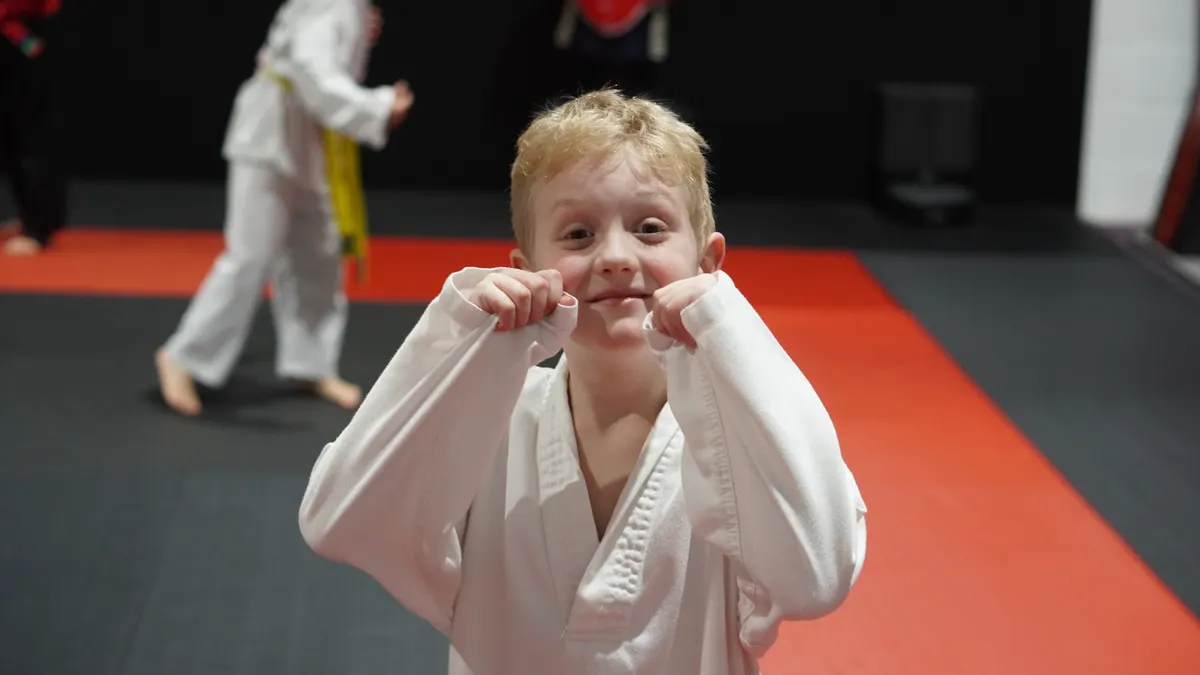
Martial arts can provide children with structured exercise and technical development, but it is still a physical activity involving movement, equipment and partner contact. No responsible club should describe any contact sport as completely risk-free.
The more useful question is how a club identifies and manages risk. Coaching quality, age-appropriate rules, suitable partners and a culture of control all influence the experience.
What types of contact are involved?
Contact differs between disciplines. Kickboxing may include pads, bags and controlled striking drills. Brazilian Jiu-Jitsu involves close grappling and submissions. Judo includes gripping, breakfalls and throws.
Beginners should learn foundations before intensity increases. Children should not be placed into hard sparring simply because they have joined a class.
Why age-appropriate coaching matters
A children's class should not be an adult session delivered to smaller bodies. Instructions, round length, technical choices and expectations need to reflect the age group.
Coaches should be able to regain attention, explain safety rules clearly and recognise when a child has not understood a drill.
How should children be paired?
Size matters, but it is not the only factor. Experience, control and temperament also affect whether two children are suitable partners.
An experienced child may safely help a beginner when they understand their responsibility. A large size difference requires particular care, especially during throws, live grappling or striking drills.
What equipment may be required?
Requirements depend on the programme. Boxing or Kickboxing contact may require suitable gloves, a mouthguard or shin protection. Judo and BJJ uniforms should fit properly and be free from unsafe damage.
Protective equipment reduces certain risks but does not replace control, supervision or correct technique. Parents should confirm requirements before buying equipment.
Hygiene and skin safety
Clean mats, clean uniforms, short nails and footwear away from the training surface are basic expectations. Children should not train with a contagious skin condition or when they are unwell.
Parents should tell the club about a suspected infection and seek appropriate healthcare advice rather than covering it and continuing to train.
What should happen after an injury?
A coach should stop the activity, assess the immediate situation and inform the parent appropriately. They should not diagnose a medical condition beyond their competence.
Return to training should follow suitable professional guidance. Children should never be encouraged to conceal pain to demonstrate toughness.
Concussion and head-impact awareness
A blow to the head should never be treated casually. Symptoms can develop after the session, and protective equipment does not remove concussion risk. If a concussion is suspected, the child should stop training and receive appropriate medical assessment.
Parents should ask how striking contact is controlled and how the club responds to a suspected head injury. Returning to contact should follow current professional guidance rather than a child's eagerness to get back quickly.
Safeguarding beyond physical injuries
Safety also includes how adults communicate with children, how bullying is managed and whether concerns can be reported. Parents should be able to identify who is responsible for safeguarding and how to contact them.
A positive martial arts culture teaches control and respect without humiliating children or using fear as motivation.
Questions parents should ask
- How are coaches qualified and vetted?
- How is contact introduced to beginners?
- How are children matched for partner work?
- What is the injury and first-aid procedure?
- Who handles safeguarding concerns?
- Can parents observe or discuss the class before joining?
Warning signs when visiting a club
Be cautious if uncontrolled contact is treated as normal, questions are dismissed, experienced students intimidate beginners or coaches use embarrassment to control children. A busy class should still feel organised.
Policies, insurance and transparency
Parents can ask whether the club has appropriate insurance, safeguarding procedures and qualified first-aid provision. A policy document alone does not prove good practice, but unwillingness to explain basic arrangements is a warning sign.
Accidents and near misses should be recorded and reviewed where appropriate. The purpose is to improve practice, not to pretend physical activities never produce incidents.
Safety differs by age and experience
A preschool movement class should not use the same intensity or technical expectations as a teenage competition session. As children develop, contact can be introduced only when the rules, control and protective requirements are understood.
Parents should assess the particular class their child will attend rather than relying only on general statements about the discipline.
Trying children's martial arts in Southampton
Limitless Martial Arts operates from a fixed facility at Empress Road, Southampton. Parents can explore the children's martial arts programme, read the safeguarding information and review the current class timetable.
A seven-day trial allows families to assess the coaching and environment before making a longer-term decision.
Frequently asked questions
Will my child have to spar?
Not simply because they attend. Ask how and when controlled live practice is introduced in the relevant discipline.
Are martial arts suitable for every child?
No single activity suits everyone. A trial and an honest conversation with the coach help determine whether the environment is appropriate.
Can martial arts injuries be prevented completely?
No. Risk can be managed through good practice, but it cannot be eliminated from physical activity.