
Starting BJJ Over 40: A Practical Beginner Guide
By Limitless Martial Arts, Southampton
Published
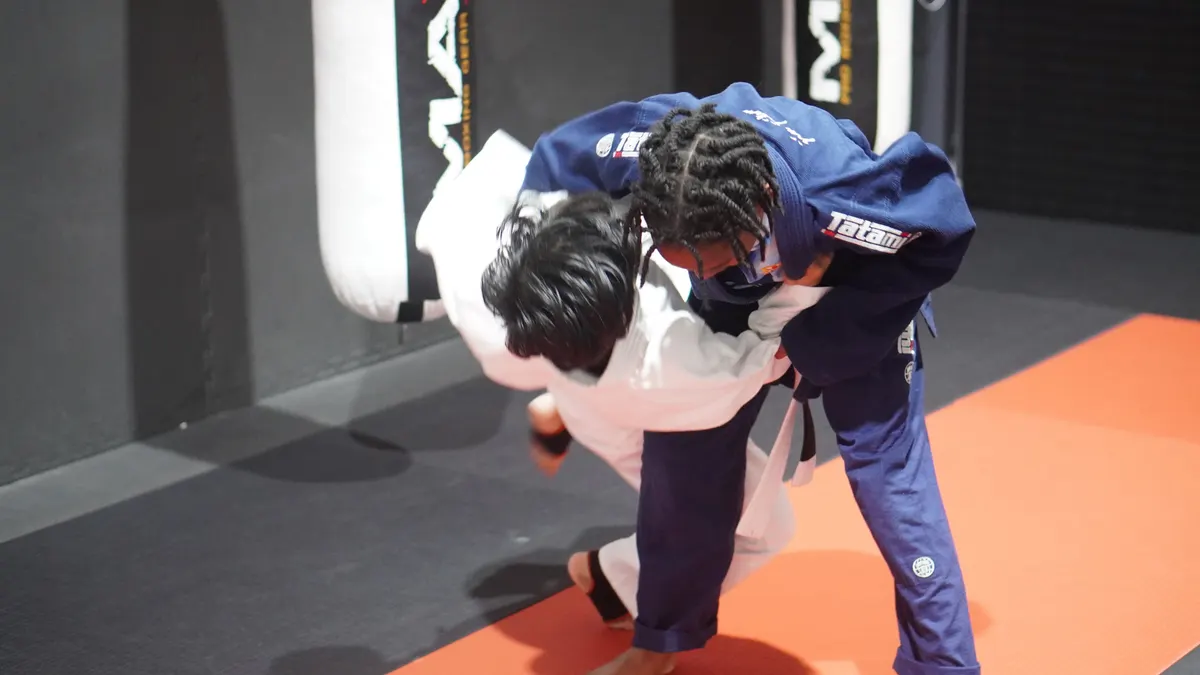
Brazilian Jiu-Jitsu is often shown through young competitors, but recreational students begin at many ages. Starting BJJ after 40 is realistic for many adults when training is approached with sensible expectations, appropriate coaching and adequate recovery.
You do not need to arrive with exceptional fitness or flexibility. You do need to communicate honestly, learn control and avoid treating every training round as a test of toughness.
Is 40 too old to start BJJ?
No fixed age makes somebody automatically too old. Health, previous injuries, recovery and the quality of the training environment matter more than the number alone.
Anyone with medical concerns should seek appropriate professional advice before beginning a vigorous contact sport.
What makes BJJ challenging?
BJJ involves close partner contact, unfamiliar positions and live resistance. Beginners may initially tense every muscle, hold their breath and become tired quickly.
Technical efficiency develops over time. Learning when to relax, frame, move and tap is more important than trying to overpower younger partners.
How often should an older beginner train?
Two sessions a week is a practical starting point for many adults because it provides repetition while leaving recovery time. One consistent session can also work when life is busy.
Adding classes should depend on how your body responds, not how frequently somebody else trains.
Managing previous injuries
Tell the coach about relevant injuries before class and follow healthcare advice. A training partner should also know when a particular joint or movement needs care.
Adaptation does not mean every drill is always suitable. Sometimes the correct decision is to modify, observe or rest.
The importance of choosing partners
Reliable partners control their weight and techniques, communicate clearly and understand that training is cooperative. Size and experience should be considered when pairing beginners.
You are allowed to decline a round politely if a pairing does not feel appropriate.
Why tapping early matters
Tapping is how students stop a submission before injury. It is part of safe training, not an admission of personal failure.
Older beginners usually gain more from returning to the next class healthy than resisting a completed technique for a few extra seconds.
Gi or No-Gi after 40?
Gi training includes clothing grips and may feel more methodical. No-Gi has less friction and can feel faster. Neither is automatically safer or easier for every body.
Try suitable beginner sessions and consider which pace and style you enjoy. Many students eventually train both.
Strength and conditioning
General strength, mobility and cardiovascular fitness can support BJJ, but you do not need to complete a separate transformation before starting. Begin training and build complementary exercise progressively.
Recovery habits such as sleep, hydration and sensible weekly loading become increasingly important when combining BJJ with work and family responsibilities.
What progress looks like in the first months
Early progress may mean recognising positions, escaping with less panic and using less energy. Wins against teammates are a poor measurement because partners differ in size, experience and training purpose.
Regular attendance and technical understanding provide a better foundation than chasing advanced submissions.
Competition is optional
Some adults enjoy masters divisions, but competition is not required to learn or progress. Recreational students can train for technical development, fitness and community.
Preparing for the first class
Choose a beginner-appropriate Gi or No-Gi session, arrive early and tell the coach about relevant injuries. For No-Gi, fitted sports clothing without zips or loose pockets may be suitable initially. Ask whether a Gi can be borrowed before purchasing one.
Trim fingernails and toenails, remove jewellery and bring water. Understanding these simple expectations reduces first-session uncertainty.
A sensible recovery approach
Recovery is broader than stretching after class. Sleep, hydration, nutrition and spacing demanding sessions all affect whether training remains sustainable. Sudden increases in BJJ, running and strength training at the same time can make it difficult to identify what is causing fatigue.
Build one routine gradually. Persistent pain, neurological symptoms or an acute injury require appropriate professional assessment rather than an online recovery tip.
How to choose an over-40-friendly gym
- Fundamentals are taught rather than assumed.
- Coaches pair students thoughtfully.
- Tapping and controlled rounds are treated as normal.
- Recreational members are valued alongside competitors.
- Questions about injuries and intensity receive sensible answers.
The culture should allow an older beginner to train seriously without pretending to be a professional athlete.
Starting BJJ in Southampton
Limitless Martial Arts offers Gi BJJ and No-Gi grappling in Southampton from its full-time SO14 facility.
Check the live class timetable and book a seven-day trial. Arrive early enough to tell the coach that you are new and discuss any relevant limitations.
Frequently asked questions
Do I need to compete with younger students?
Training partners may be different ages, but good pairing and controlled practice matter. Competition remains optional.
Will I be expected to keep up immediately?
No. Beginners should focus on understanding the class and moving safely rather than matching experienced students.
Can BJJ help me get fit after 40?
BJJ is physically demanding and may support fitness when practised consistently, but individual results vary.