
Martial Arts for Autistic Children and Additional Needs
10 August 2026
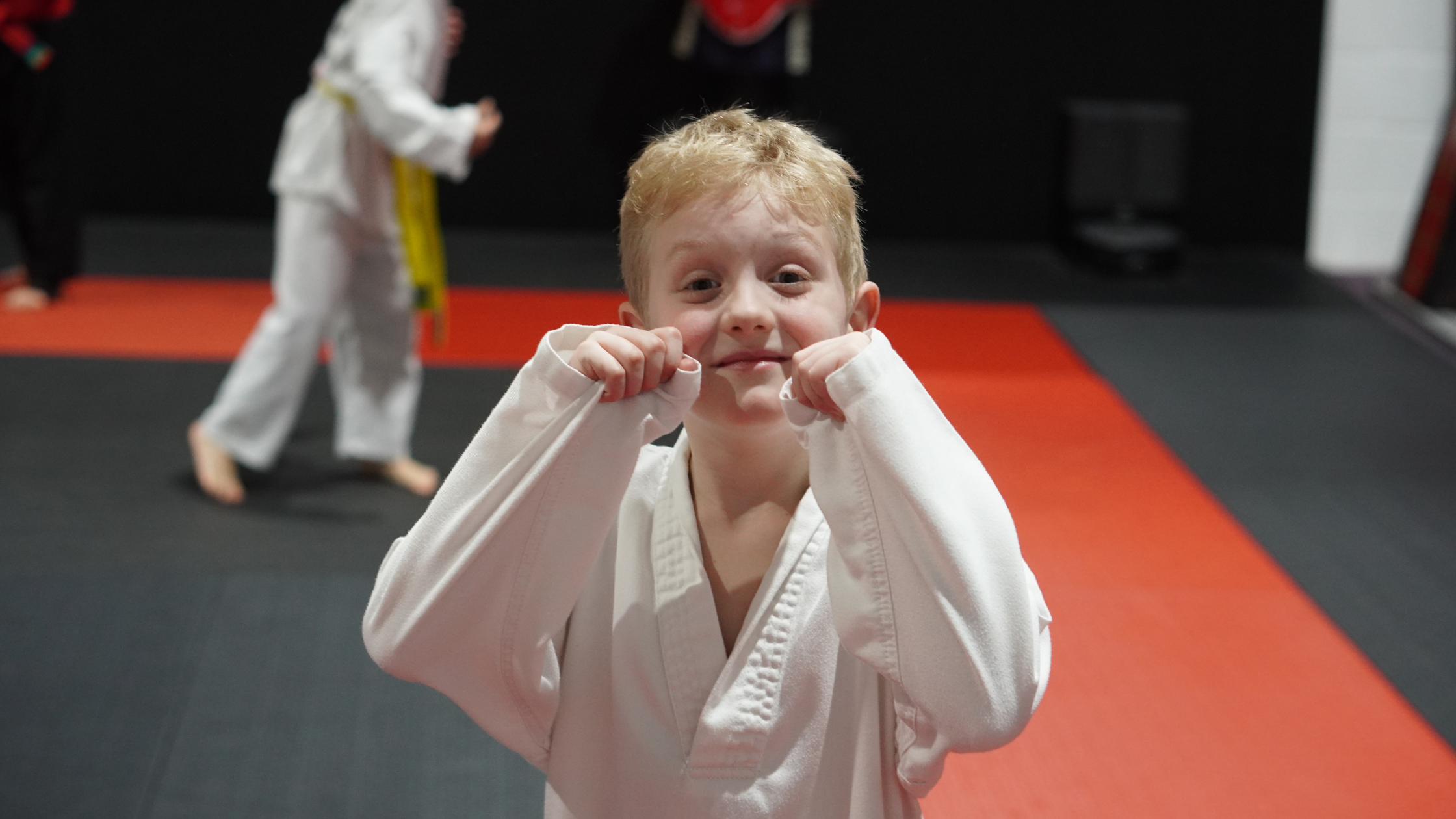
Many parents of autistic children and children with additional needs want an activity that offers movement, routine and a sense of progress. Martial arts can be a positive option for some children, but there is no single class format that suits everyone.
The most important question is not whether martial arts is universally “good” for a diagnosis. It is whether the environment, coach and session are a good match for the individual child.
Potential benefits of a structured martial arts class
When the setting is appropriate, martial arts may give a child opportunities to practise balance, coordination, listening, turn-taking and working alongside other people. Clear routines and visible progression can also appeal to children who like to understand what comes next.
These are educational and recreational benefits, not medical outcomes. Martial arts should never be presented as a treatment or guaranteed solution for autism, anxiety, attention difficulties or sensory needs.
Every child is different
One autistic child may enjoy pad work and repeated technical drills. Another may find noise, touch or a busy room difficult. Some children are comfortable joining a group but need extra processing time when instructions change.
Parents know their child best. Before attending, it can help to tell the club about communication preferences, sensory sensitivities, safety concerns and strategies that work well at school or in other activities.
What an inclusive class should look like
Inclusion does not always mean every child performs the same task in exactly the same way. It may mean demonstrating an instruction, breaking an activity into smaller steps, allowing extra processing time or offering an appropriate pause before rejoining.
Coaches must also consider the safety and learning of the whole group. Honest communication helps establish which adjustments are practical within a group martial arts setting.
Questions to ask a martial arts club
- Which class is most suitable for my child''s age and current confidence?
- How busy and noisy is the session?
- Can we visit or watch briefly before taking part?
- How do coaches respond if a child becomes overwhelmed?
- Is physical partner work introduced gradually?
- Can instructions be demonstrated as well as spoken?
A responsible club should answer honestly. It should also be willing to say when a particular session may not currently be the right fit.
Preparing for the first visit
Explain the basic sequence in advance: arrive, meet the coach, warm up, practise techniques and finish the class. Photos of the venue or a short visit can make the environment more predictable.
Comfortable clothing and familiar routines can help. If your child uses ear defenders, communication cards or another reasonable support, discuss this with the club before the lesson so everyone understands how it can be used safely.
Sensory considerations
Martial arts venues contain sounds, movement and physical sensations. Pad strikes may be loud, uniforms can feel unfamiliar and partner drills involve touch. Visiting during the expected class time gives a more accurate impression than seeing an empty gym.
If noise or touch is difficult, discuss it before attending. Preparation cannot guarantee that a class will feel right, but it can reduce avoidable surprises.
Choosing between kickboxing, BJJ and judo
Kickboxing often involves individual movement, pads and clear combinations. Brazilian Jiu-Jitsu and judo involve closer partner contact, grips and learning how to move safely on the floor. A child''s preference for or discomfort with physical contact may influence the best starting point.
There is no need to choose perfectly before visiting. The kids martial arts programme at Limitless includes different pathways, and the coaching team can help parents identify an appropriate first session.
A realistic definition of success
For one child, success may mean completing the whole lesson. For another, it may mean entering the room, greeting the coach or trying one activity before taking a break. Progress should be measured against the child''s own starting point.
Working alongside professional advice
A martial arts coach is not a substitute for a teacher, occupational therapist, psychologist or medical professional. Parents should continue to follow relevant professional advice and tell the club about safety recommendations affecting participation.
Frequently asked questions
Does my child need a formal diagnosis?
No diagnosis is required to discuss a child''s needs or try an appropriate class. The useful information is what helps the individual participate safely and comfortably.
What if the first class does not work?
A different time, discipline or pace may work better. Equally, it is responsible to pause if the environment is causing significant distress.
Limitless Martial Arts welcomes conversations with parents before a trial. Contact the team with relevant information, then use the seven-day trial to assess the environment without assuming that one visit must decide everything.