
Helping Children Handle Mistakes Through Martial Arts
By Limitless Martial Arts, Southampton
Published Updated
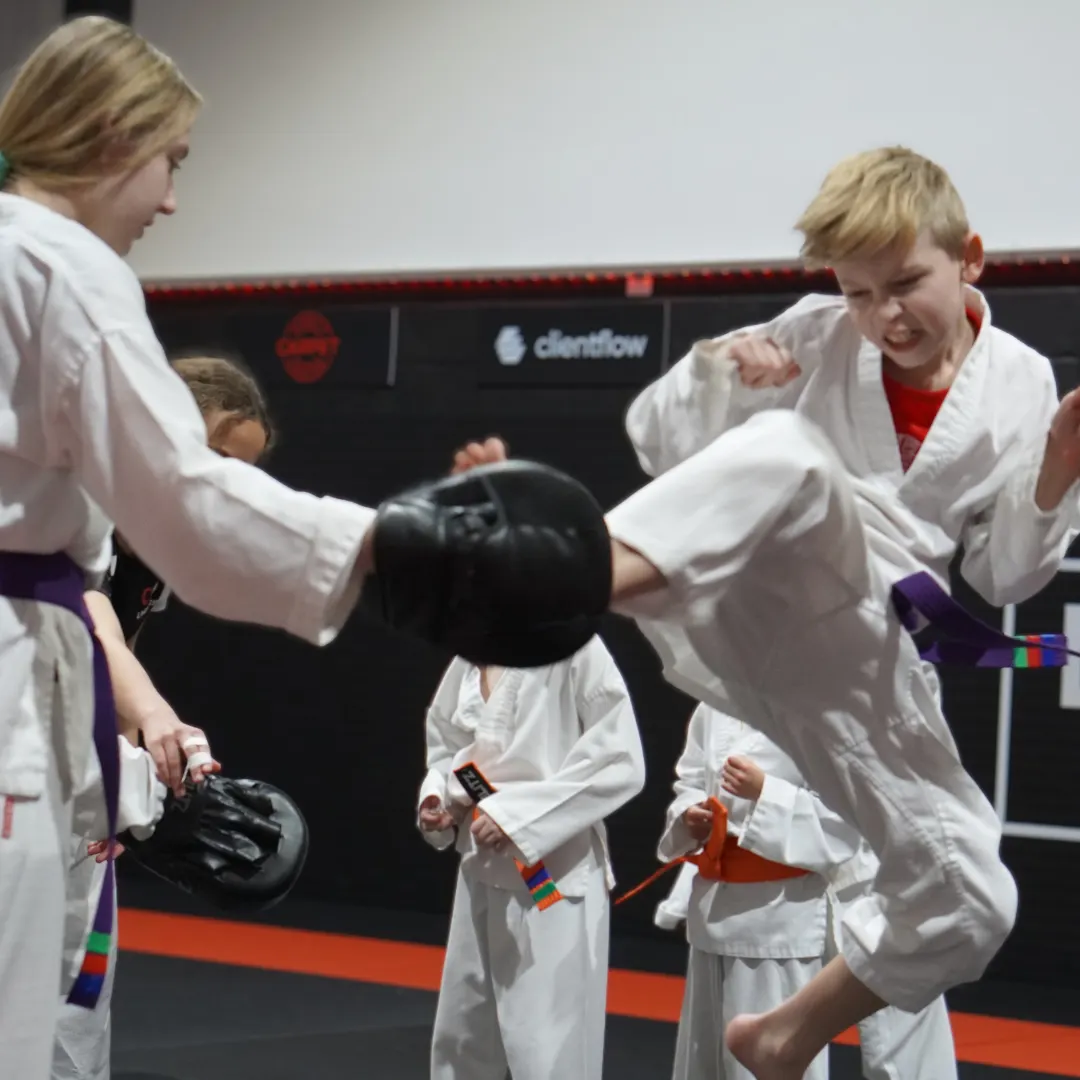
A missed movement or forgotten instruction can feel frustrating to a child learning something new. Martial arts offers opportunities to practise responding to those moments, but confidence does not appear on a fixed timetable. The aim is to make learning manageable, not to force children into situations they find overwhelming.
For parents considering children's martial arts in Southampton, the useful question is how a class supports a child when a technique does not work yet. Here are practical things to look for and ways to help between visits.
Look for feedback a child can act on
A clear next step is more helpful than simply saying "try harder". A coach might break a movement into smaller parts, demonstrate it again or suggest practising one element before combining everything. Ask how beginners are introduced and how the coach responds when a child needs more time.
Different children respond to different explanations. Let the team know about relevant support needs before the first session, and discuss what can reasonably be accommodated. A group class may not be the right starting point for every child.
Notice effort without promising a result
After training, ask "What did you practise?" or "What would you like help with next time?" rather than focusing only on whether your child was the best. You can notice that they listened to an instruction, asked a question or attempted something unfamiliar without comparing them with another student.
A difficult session does not automatically mean the activity is wrong for them. Equally, persistent distress should not be brushed aside as something they must push through. Speak with the coach and listen to what your child says about the experience.
Use small, specific goals
A goal such as remembering the starting position or following one partner-drill instruction is easier to understand than "be more confident". Ask the coach what is appropriate for your child's stage. Avoid teaching unfamiliar contact techniques at home or turning every family conversation into a review of performance.
Progress can be uneven. Do not promise a belt, grading outcome or a particular improvement by a certain date. Check the club's arrangements for the discipline your child actually attends rather than assuming all martial arts use the same progression system.
Check the environment before choosing
Age range, class format and coaching matter more than a headline promising resilience. Use our comparison of kids' kickboxing, BJJ and judo to understand the different activities, then check the live timetable for suitable sessions.
Ask about partner matching and contact expectations. Sparring is not a requirement for a child to learn how to handle a mistake. Coached practice and simple technical tasks can provide opportunities to ask for help and try again without framing the experience as winning or losing.
Trying a class at Limitless
Our facility is at Unit 5, The Old Dairy, Empress Road, Southampton, SO14 0YT, with free on-site parking. Read the first-visit guide and tell us if your child is nervous before arriving. The first visit is an introduction, not an assessment they have to pass.
Book a free seven-day trial to explore suitable classes. Afterwards, talk with your child and the coach before choosing a membership. The goal is a routine that fits the child, with realistic expectations and room to learn at their own pace.