
Supporting a Child's Confidence in Martial Arts
By Limitless Martial Arts, Southampton
Published Updated
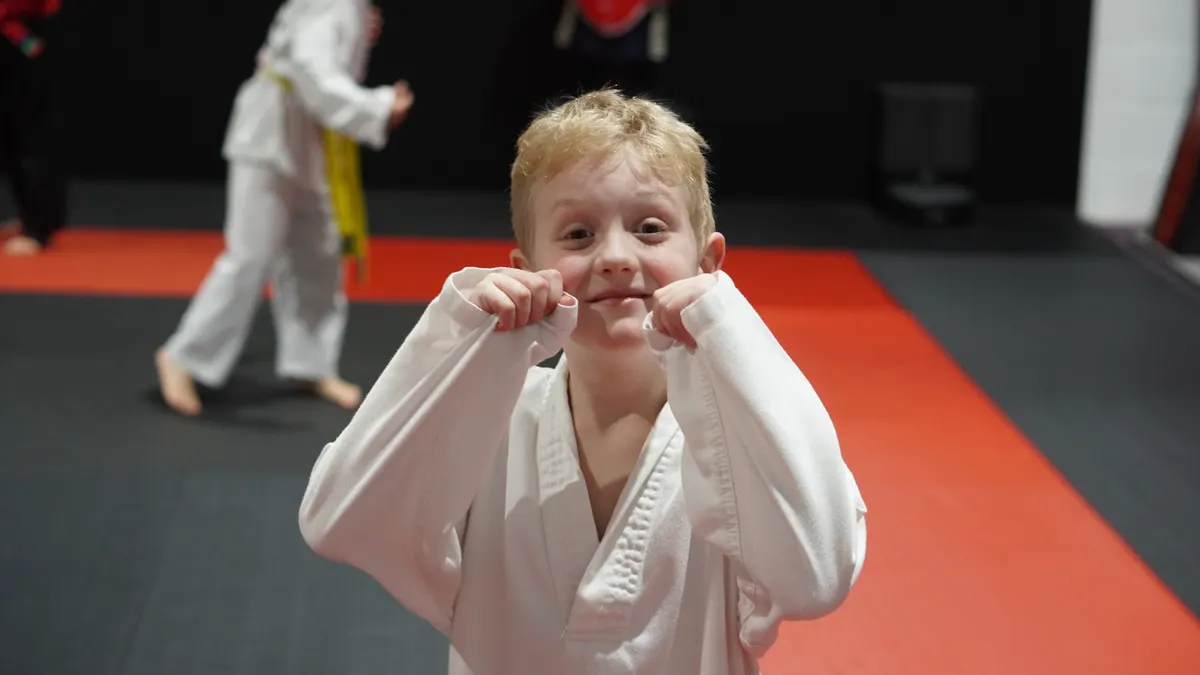
A useful first goal can be small: enter the room, watch a demonstration, ask where to stand or try one movement. Supporting confidence means giving a child a manageable next step, not expecting them to become outgoing or compete.
Agree the first step before the lesson
Ask what your child is worried about. It might be noise, not knowing the rules, being watched or changing partners. Tell the coach what would help and confirm what can be arranged. Read how to prepare for a first children's class so you can explain the arrival process without promising every detail.
Notice a behaviour you can see
Compare your child's experience with their own earlier visit. Did they remember an instruction, try a different drill or feel able to ask for a break? A child can be quiet and still enjoy training. Avoid praising only performance or comparing their progress with a sibling or a higher belt.
Change the plan if the activity is not fitting
Ask whether a different group, pace or activity would help. A one-off difficult visit is information, not a failure; repeated distress deserves attention rather than pressure. For specific practical needs, use our additional-needs questions to plan a private conversation with the team.
Keep expectations within training
A class cannot guarantee changes at school, at home or in a child's wellbeing. Choose it because the child wants to practise the activity and can get appropriate support. Compare children's sessions at Limitless and ask us about the right Southampton class.