Martial Arts Training Methods: Drills, Pads and Partner Work
By Limitless Martial Arts, Southampton
Published Updated
Which training method is best? Start with the skill you want to practise. Pads are useful for repeating a strike with a clear target. A cooperative partner drill helps you learn timing and distance. A controlled round lets you apply a skill when the other person has choices. They solve different problems, so one is not automatically better than another.
Solo practice: learn the shape of a movement
Shadowboxing lets you slow a sequence down and check your stance without having to react to a partner. The useful comparison is how balanced you are at the start and end of a movement, not how quickly you can throw ten punches. Ask a coach to check one detail at a time.
Pads and bags: practise accuracy before power
Bag work gives you a consistent target. A pad holder can vary distance or call a sequence, so a drill adds a simple decision. In boxing and kickboxing, ask what the exercise is working on: placement, footwork, returning to guard or combining movements. Fatigue alone does not tell you whether you practised the skill well.
Partner drills: give each person a job
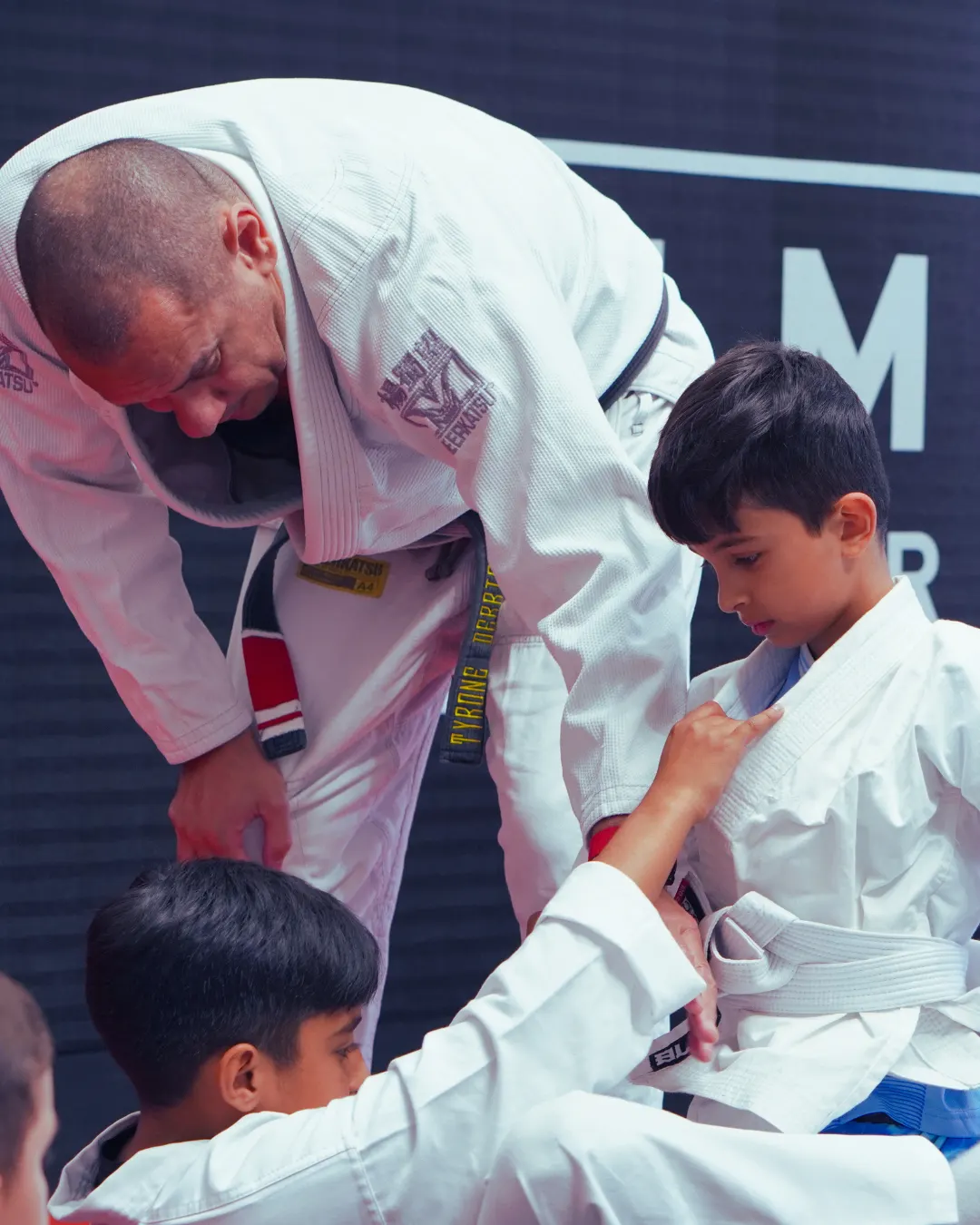
In a takedown or grappling drill, one partner might offer a predictable starting position while the other learns an entry or escape. Start with the resistance and pace the coach gives you. The partner's job is to provide a useful problem, not defeat the person learning it. Compare wrestling, judo and BJJ if you enjoy partner-based practice.
Live practice: apply the skill with clear boundaries
Positional rounds, rolling and striking sparring are not interchangeable. Ask what contact is expected, how partners are matched and how to stop or sit out. If you want to learn punching technique without sparring, read our boxing without sparring guide.
Choose a session by its training method
At Limitless on Empress Road, check the live timetable and ask the team which session covers the type of practice you want. Use an eligible trial class to see whether the pace, feedback and partner work fit. There is no reliable calorie figure or guaranteed physical result for a training method; choose an activity you want to repeat.