
Self-Defence and Martial Arts: What Training Can Teach
By Limitless Martial Arts, Southampton
Published Updated
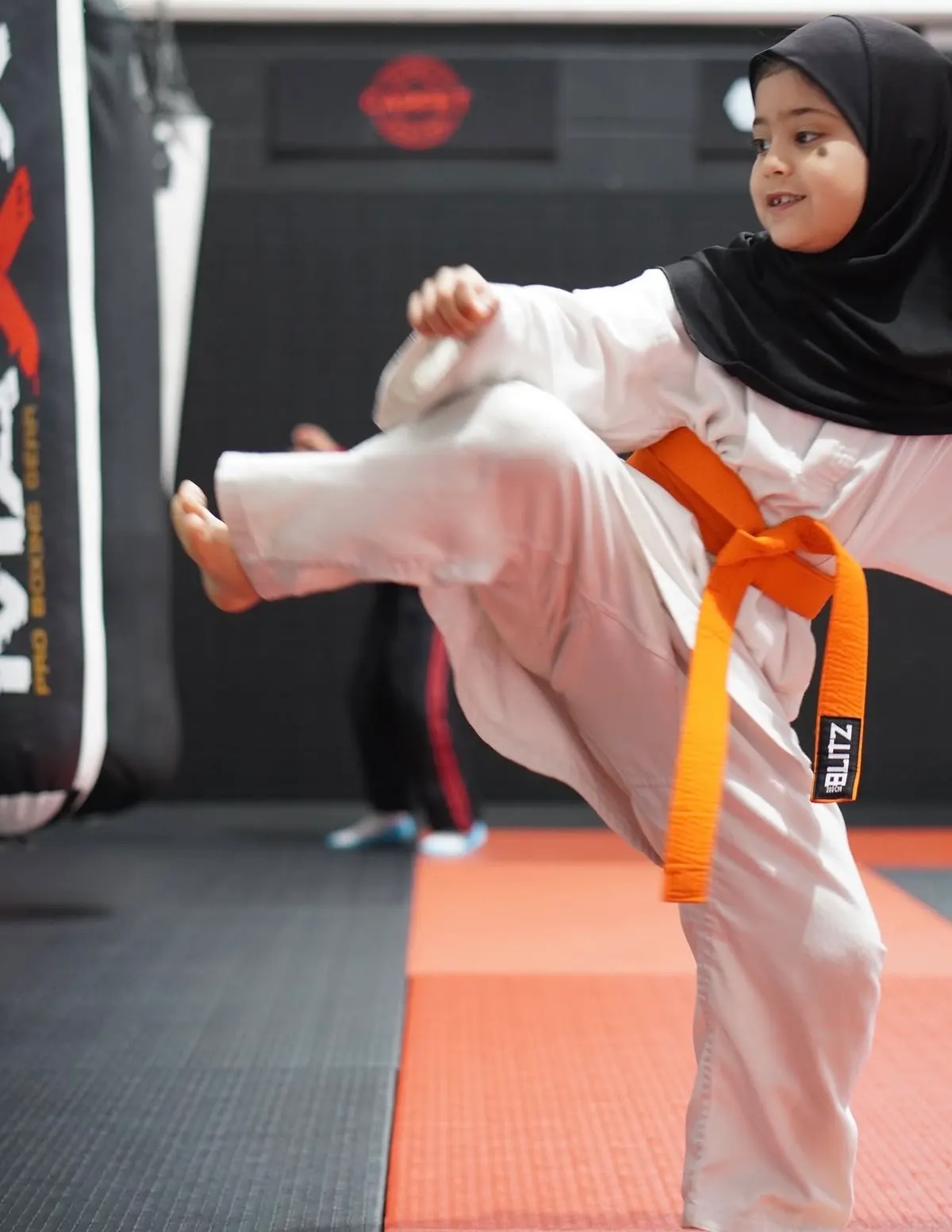
Martial arts can teach movement and controlled practice with a partner. A lesson is not a guarantee of safety outside the gym. Real situations do not follow class rules, and physical techniques should not be sold as a reliable answer to bullying or danger.
Separate the training skill from the safety claim
Boxing and kickboxing practise striking and distance under agreed rules. Grappling classes practise positions and partner control. Those are trainable skills, but the activity in a class is not the same as a confrontation. Avoid choosing a programme because it promises that a specific technique will work against anyone.
Ask what the lesson actually involves
- What are beginners taught before doing partner work?
- Who supervises the exercise and how can a participant stop?
- What contact, kit and age requirements apply to this session?
- What does the instructor tell students about using techniques outside class?
At Limitless, the class descriptions explain the disciplines. Ask about the current format before booking; a conventional sport class should not be confused with a dedicated personal-safety course.
For parents: respond to the situation first
Tell a child they can ask for help and do not have to solve bullying through physical training. Speak to the appropriate adults about what is happening. See our bullying and martial arts guide and GOV.UK guidance on school bullying.
Choose a class for the activity it teaches
At our Southampton facility, compare children's classes and adult classes by age, contact and your interest in the skill. Ask the team if you are unsure which group is appropriate. An eligible trial is an opportunity to assess coaching and suitability, not a test of whether someone can defend themselves.