
Five Ways to Practise Better With a Training Partner
By Limitless Martial Arts, Southampton
Published Updated
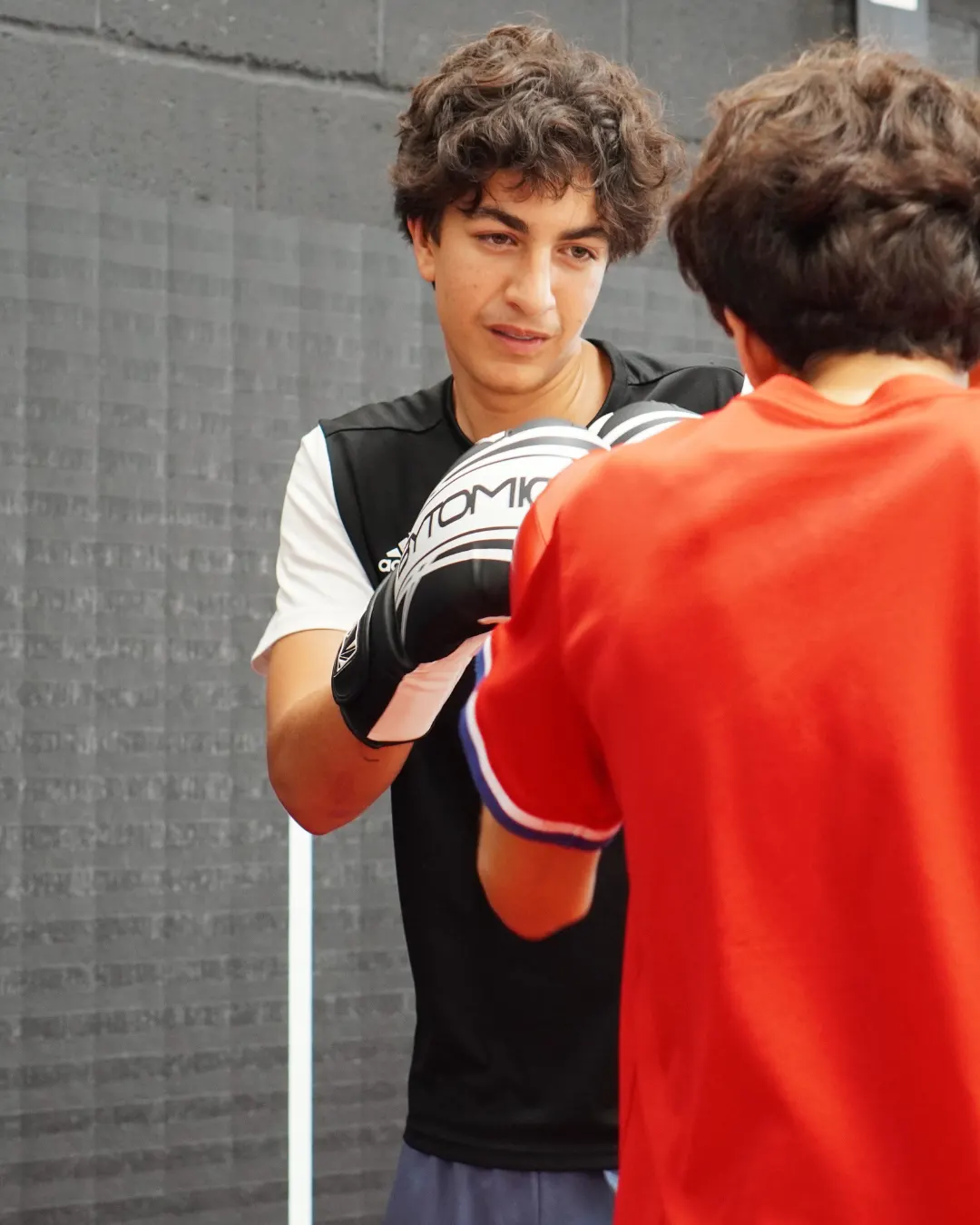
A partner gives you information a bag or solo movement cannot: distance, timing and another person's choices. That only helps if you agree what you are practising. Partner work is not automatically better or harder than solo work; it serves a different purpose.
1. Agree the job before you start
Ask who is learning the technique and what the other person should provide. For a pad drill that might mean a steady target. For a grappling exercise it might mean an agreed starting position. Follow the coach's rules rather than adding resistance without warning.
2. Set a pace you can both use
Tell your partner if you need the sequence slower. If a drill is intended to be cooperative, do not turn it into sparring. Ask the coach to adjust the pairing if the pace or contact is not suitable.
3. Use one piece of feedback
Describe what helped, such as holding a target at a useful distance or resetting the position clearly. Ask the coach about technical corrections if you are unsure. Avoid overwhelming a new partner with instructions they were not given.
4. Stop immediately when asked
Understand the stop or tap signal before starting. If a partner uses it, stop and release as instructed. Do not argue about whether they needed a pause or expect them to work through discomfort.
5. Review the drill, not who won
Afterwards, ask whether both people understood the task. Compare pads, drills and live practice for a better sense of when each method helps. At Limitless, ask the team which session suits your experience and contact preferences before booking.